Do you scour the internet for 'how to write hebrew poetry'? Here you will find all the details.
Table of contents
- How to write hebrew poetry in 2021
- Examples of hebrew poetry in the bible
- Hebrew poem
- Define hebrew poetry
- Hebrew poetry with english translation
- Hebrew poetry structure
- Hebrew poems with english translation
- Hebrew styles of poetry
How to write hebrew poetry in 2021
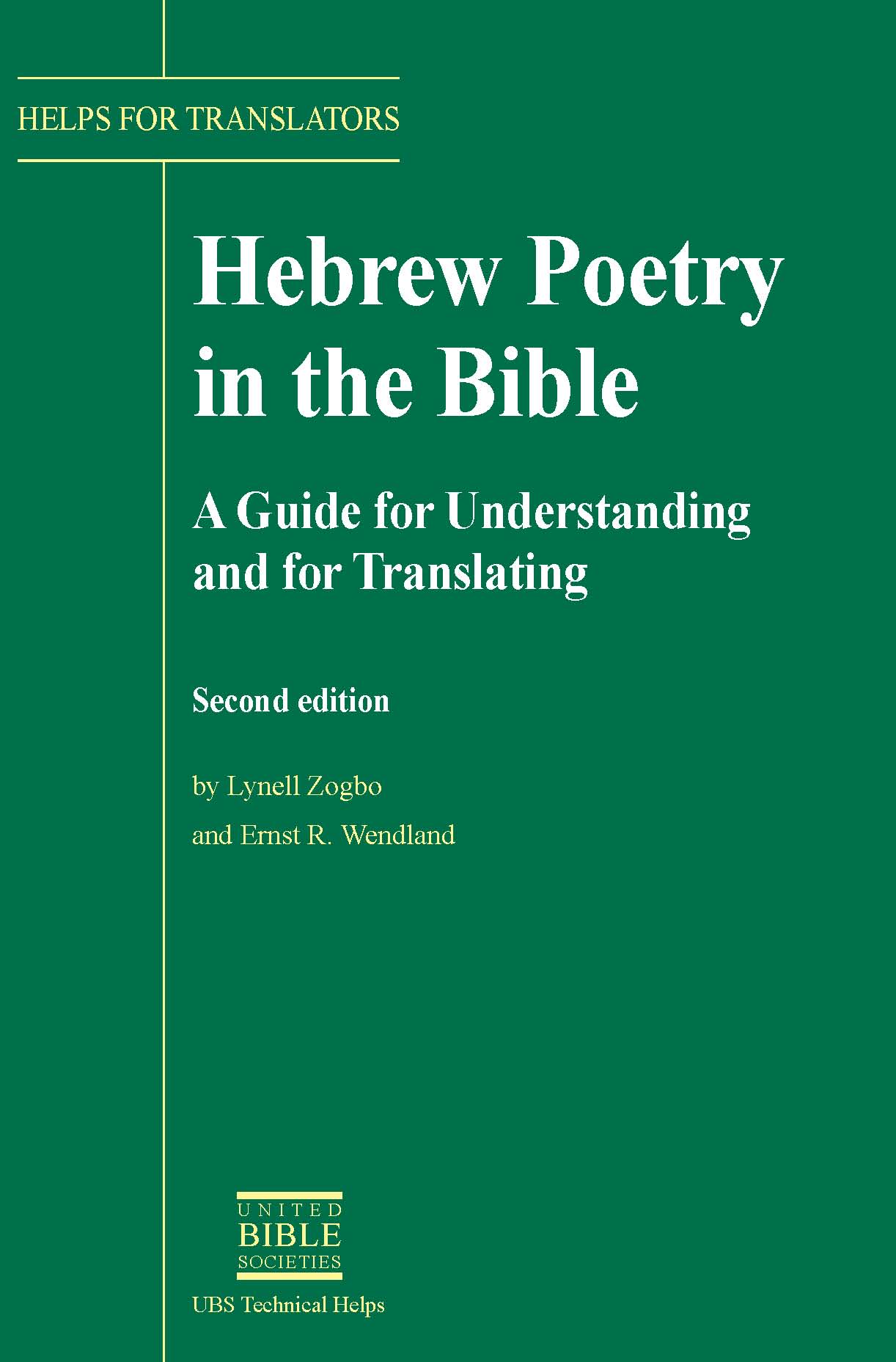 This image demonstrates how to write hebrew poetry.
Examples of hebrew poetry in the bible
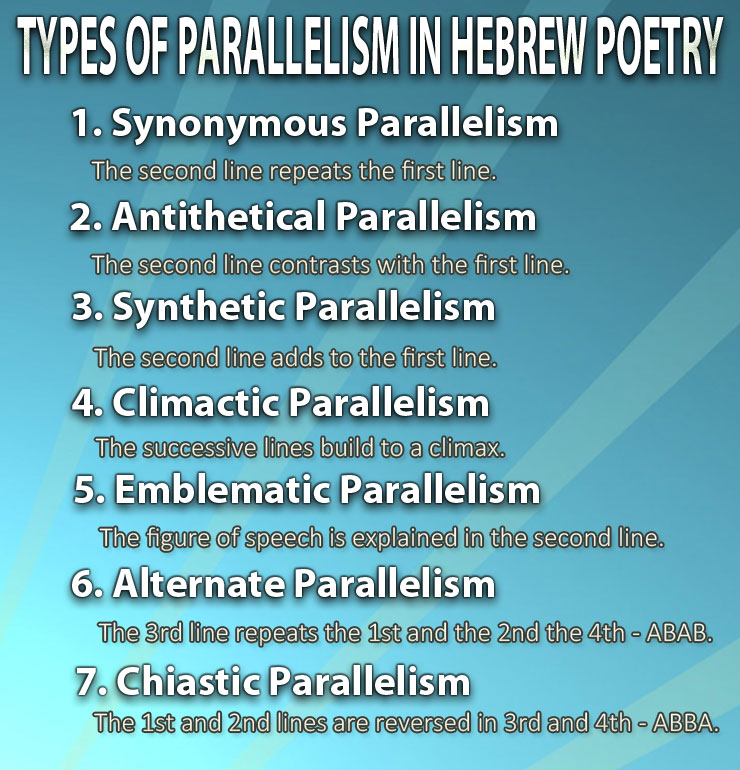 This picture shows Examples of hebrew poetry in the bible.
Hebrew poem
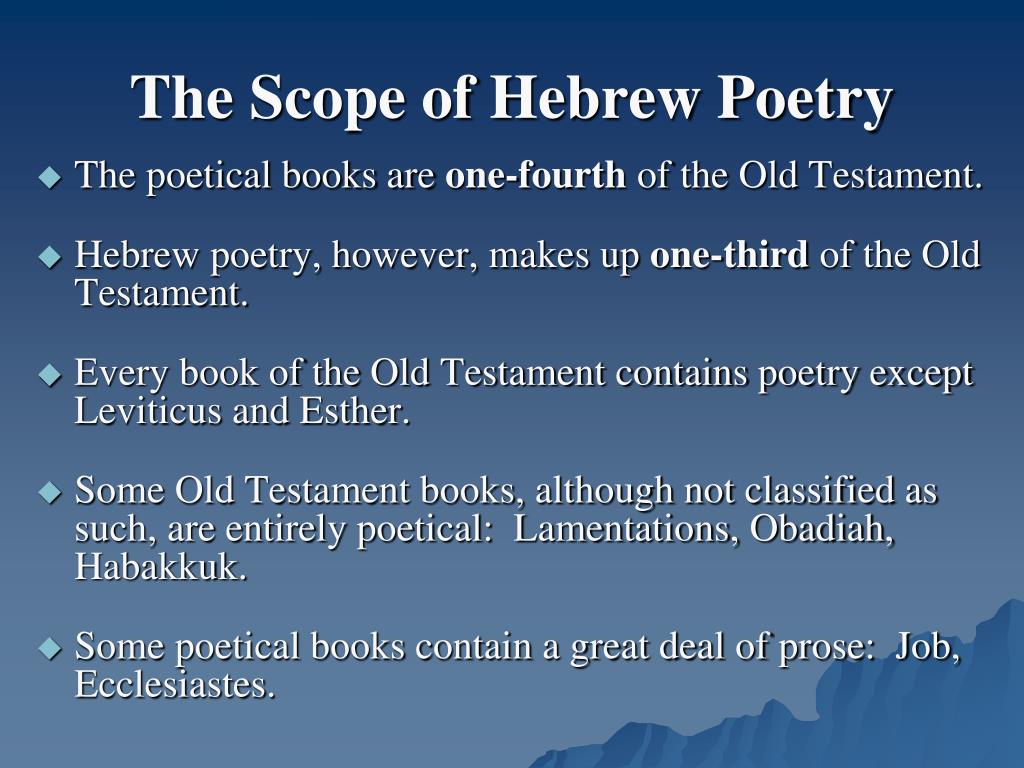 This image shows Hebrew poem.
Define hebrew poetry
 This picture demonstrates Define hebrew poetry.
Hebrew poetry with english translation
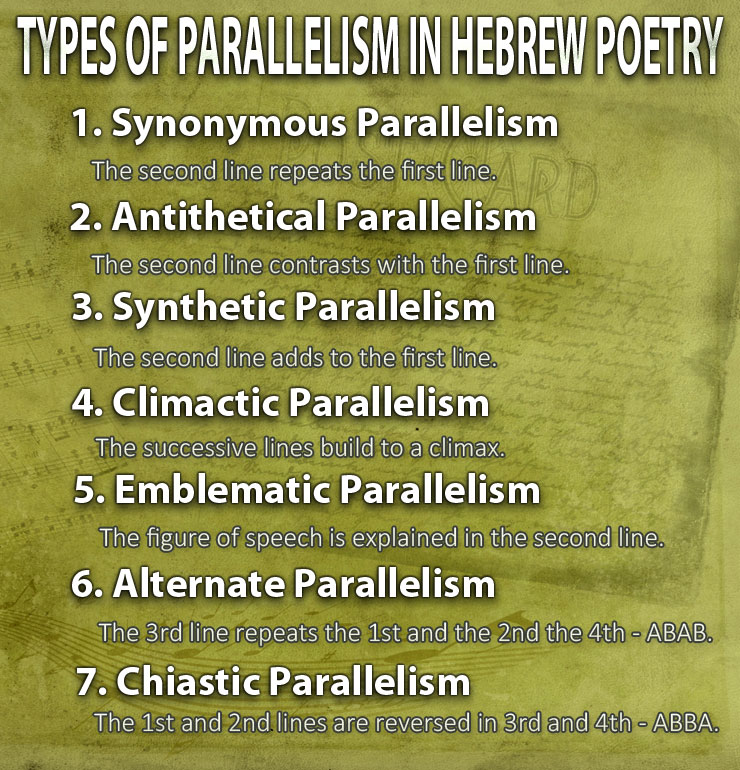 This image representes Hebrew poetry with english translation.
Hebrew poetry structure
 This image illustrates Hebrew poetry structure.
Hebrew poems with english translation
 This picture demonstrates Hebrew poems with english translation.
Hebrew styles of poetry
 This image shows Hebrew styles of poetry.
Is it easy to memorize Hebrew poetry?
Hebrew poetry with its parallelisms is indeed beautiful and appealing. We can also guess that the Spirit wanted His Word to be easy for us to memorize so that we may constantly carry it with us. It is usually easier to memorize poetry than prose. That is certainly true of Old Testament poetry also.
Which is the basic unit of Hebrew poetry?
The basic unit of Hebrew poetry is the line. Lines are ordinarily broken into two or three parts. In the following discussion "line" will be used to refer to the whole unit, "colon" will refer to a segment of the line. A two-part "line" will be called a "bicolon," a three-part line a "tricolon."
Is there any rhyme or rhythm to Hebrew poetry?
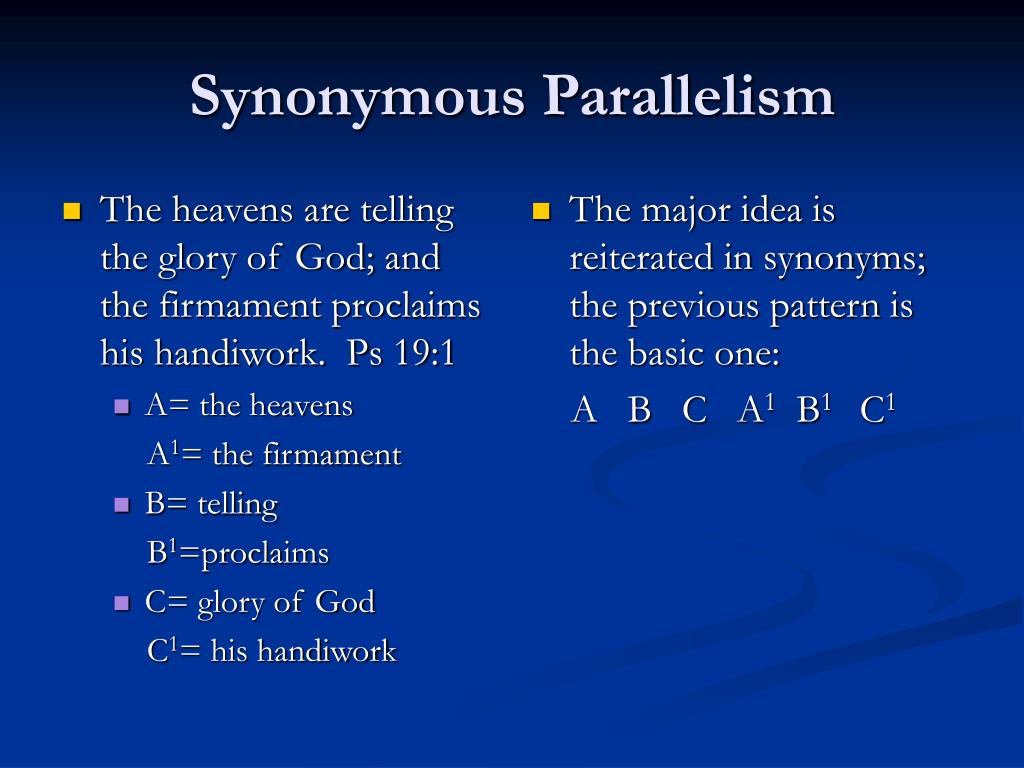
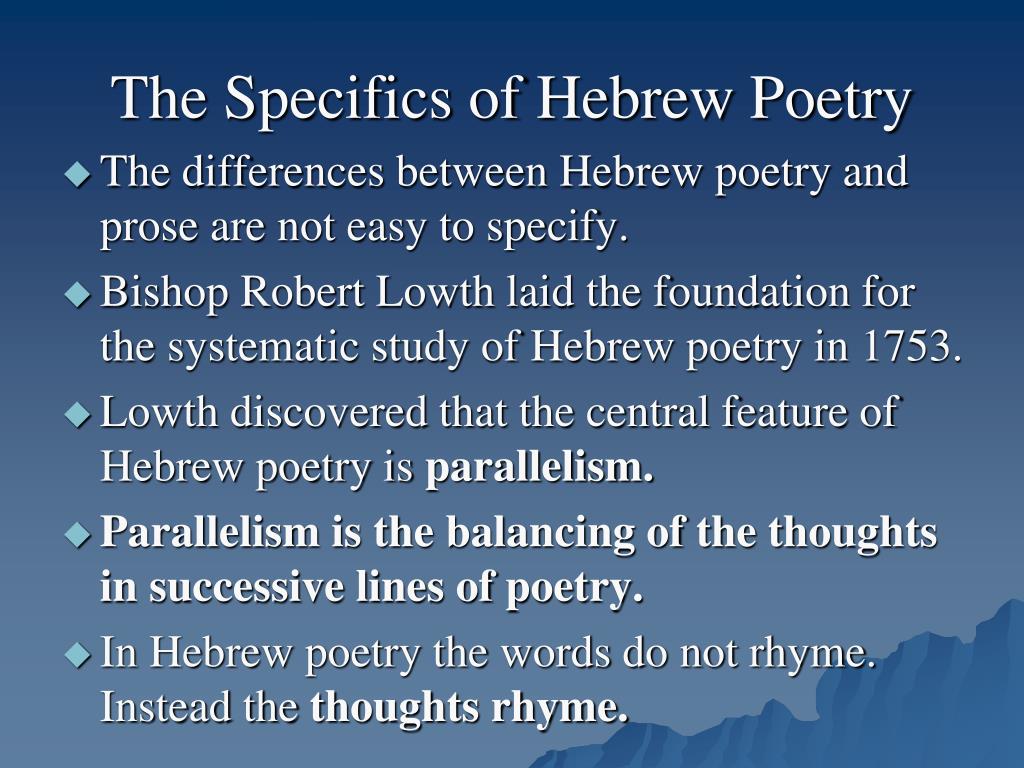
There is almost no rhyme to Hebrew Poetry. The lines are not always exactly measured, and sometimes a definite rhythm is difficult to find. But there are a number of features that make Hebrew poetry a poetry of the highest level and that make it very enjoyable to read and hear. The main feature of Hebrew poetry is called PARALLELISM.
What are some examples of wordplay in Hebrew poetry?
Words are the tools of the poet's craft. Examples of wordplay, such as puns or paranomasia (the use of similar sounding words), abound in Hebrew poetry. In Ps 88:10 the poet complains: "My eyes ( ‘eni ) grow dim from trouble ( ‘oni ). The words for "eyes" and "trouble" have the same consonants.
Last Update: Oct 2021
Leave a reply
Comments
Emeka
20.10.2021 10:44Mortal poetry such equally that used stylish various books of the old Testament books like Book of Proverbs and psalms uses several forms of parallelism, including substitutable parallelism, antithetical correspondence, synthetic parallelism, and emblematic parallelism.