Do you scour the internet for 'how to write i miss you in hangul'? You will find the answers here.
Table of contents
- How to write i miss you in hangul in 2021
- I miss you'' in chinese
- I miss you so much'' in korean
- I love you in korean
- Bogoshipo in hangul
- Bogoshipo meaning
- How to say i miss you too in korean informal
- How to learn korean hangul
How to write i miss you in hangul in 2021
 This image demonstrates how to write i miss you in hangul.
I miss you'' in chinese
 This picture demonstrates I miss you'' in chinese.
I miss you so much'' in korean
 This image shows I miss you so much'' in korean.
I love you in korean
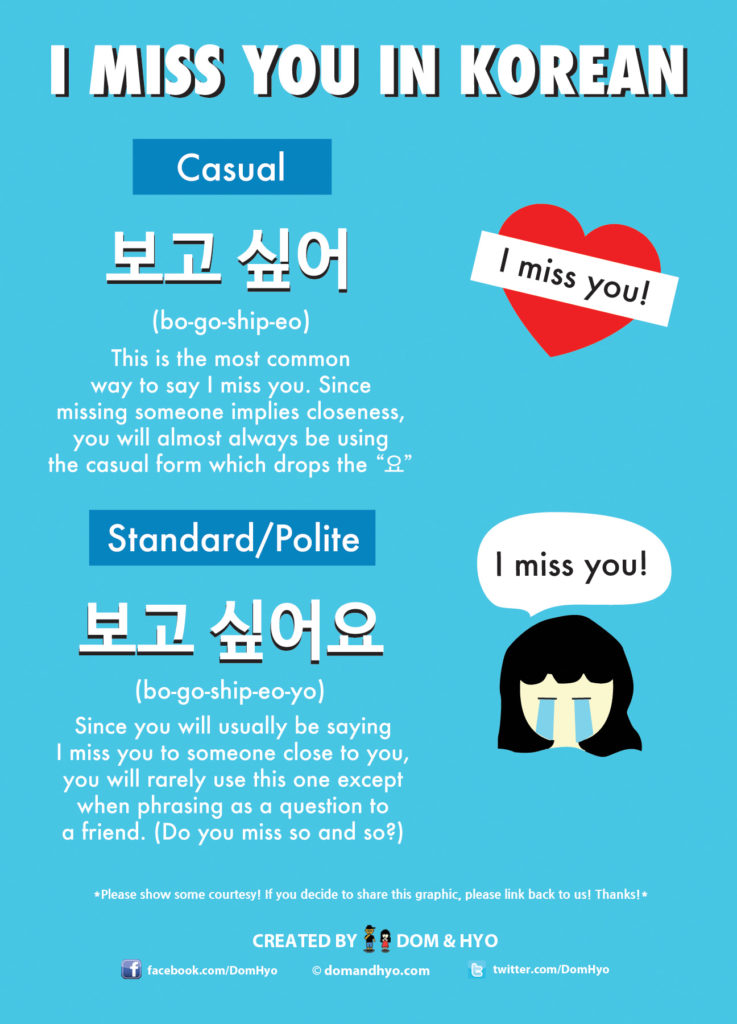 This picture demonstrates I love you in korean.
Bogoshipo in hangul
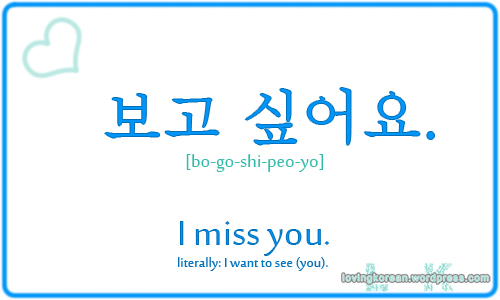 This picture representes Bogoshipo in hangul.
Bogoshipo meaning
 This picture illustrates Bogoshipo meaning.
How to say i miss you too in korean informal
 This image shows How to say i miss you too in korean informal.
How to learn korean hangul
 This image illustrates How to learn korean hangul.
How to take notes when learning Korean-Miss Elly Korean?
Before starting your Korean learning journey, you should have with you a study notebook to jot down key grammar points and concepts so then you can refer to them timing again.
Widely used phrases
Although this word does mean ‘to miss’, it isn’t used that often in spoken Korean. Instead of 그립다, the expression 보고 싶다 (bogosipda) is used when people want to say ‘I miss you’ in Korean. 보고 싶다 literally means ‘I want to see’. It is made up of the verb 보다 (to see) and the suffix -고 싶다 which expresses the idea of wanting to do a particular action.
What's the proper way to say I Miss You?
You can also use with your close friends and siblings. For other people, you should use: This is the more polite way of saying “I miss you.” Use this with people that you’re not close friends with and who are older than you or of higher status. And just in case you feel like going full-on formal on someone, you can use:
When to use the word'miss'in a sentence?
그립다 can be used if you want to say that you miss a non-human thing or situation. For example, you might say ‘옛집이 그리워요’ (I miss my old house) or ‘학창시절이 그리워요’ (I miss my school days). If you want to say something like ‘miss the bus’ then you should use the verb 놓치다 (nochida).
Last Update: Oct 2021