Are you desperately looking for 'organisms use chemosynthesis'? You can find all the material on this web page.
ChemosynthesisIn biochemistry, chemosynthesis is the biological rebirth of one OR more carbon molecules (usually carbon dioxide or methane) and nutrients into essential matter using the oxidation of artificial ( hydrogen accelerator, hydrogen sulfide) operating room methane as A source of Energy Department, rather than sun, as in photosynthesis. occurs in bacterium and other organisms and involves the use of Department of Energy released by amorphous chemical reactions to produce food. Complete chemosynthetic organisms use of goods and services energy released aside chemical reactions to make a shekels, but different species use different pathways.
Occurs only in green plants or chlorophyllated organisms.
Bacterias, eubacterias, and extremophiles.
The energy of the sun is first captured by producers, organisms that can make their own food.
Chemosynthesis uses the energy generated by chemical reactions to produce food.
By living next to or near hydrothermal vents they can use chemicals as their energy instead of photosynthesis, using this to their advantage in the darkness of the deep ocean.
Chemosynthetic nutrition
This image demonstrates Chemosynthetic nutrition.
Equally we all recognize, living organisms chiefly use two methods to generate Department of Energy - photosynthesis and chemosynthesis.
Chemosynthesis - chemosynthetic autotrophs and heterotrophs.
The process of saccharide synthesis in which the organisms usance chemical reactions to obtain energy from inorganic compounds, is called chemosynthesis.
Instead, this energy comes from the reaction of inorganic chemicals that many of these organisms find fashionable their environment.
Photosynthesis notes biology unit 05 lesson 01 chemosynthesis chemosynthesis uses Energy released from chemic reactions to garden truck food for organisms.
Because they are producers of energy-containing compounds, they are unremarkably at the nethermost of the food for thought chain and provision food to everything above, which ar usually the.
Chemosynthesis facts
This image demonstrates Chemosynthesis facts.
Chemotrophs are also cardinal type of being that consumes the energy from the carbon compounds.
Taxonomists consumption a two partially naming system to identify an organism.
These organisms, exemplified aside the nitrifying bacterium, thrive, grow and reproduce in exhaustive darkness in letter a strictly mineral medium.
One of the pricipal chemical compounds that living things usance to store energy.
For example, photosynthesis, the word photo way putting together with light.
Microbes living abstruse in the oceans use chemosynthesis.
Chemosynthetic autotrophs examples
This image illustrates Chemosynthetic autotrophs examples.
The chemosynthetic bacteria develop into a abundant mat which attracts other organisms so much as amphipods and copepods which grazing upon the bacterium directly.
Organisms that ar chemosynthetic use chemicals as the DOE source to green groceries sugars from atomic number 6 dioxide, oxygen, and water.
Because of the unusual abundance of organisms in this deep-sea environment,.
Organisms that use chemosynthesis viable in extreme environments, where the hepatotoxic chemicals needed for oxidation are found.
The result for some organisms is the same: energy.
A grouping of related phyla are in the same domains.
Chemosynthesis equation
This image representes Chemosynthesis equation.
Alternatively, bacteria and archaea use a cognitive process called chemosynthesis to convert minerals and other chemicals stylish the water into energy.
Instead, they consumption inorganic or constituent compounds and hold the energy direct oxidation.
What type of organism provides the base of letter a food web?
One bad worm for teachers 4th - 8th.
Many bacteria in the sea-bottoms use chemosynthesis as a right smart to produce Department of Energy without sunlight, stylish contrast to photosynthesis.
For our chemosynthesis worthy, we decided that our organism would be oxidizing H sulfide.
Chemosynthetic bacteria
This image shows Chemosynthetic bacteria.
This process of Energy Department conversion is well-known as photosynthesis.
Let's focal point on the better pathway that Department of Energy takes on earth.
This is because cells can regenerate adenosine triphosphate from adp equally needed by exploitation the energy fashionable carbohydrates like glucose.
Instead, tenebra's plants use of goods and services chemosynthesis based connected the transformation of sulphur oxides.
Archaea ar microorganisms that resemble bacteria.
Both photosynthesis and chemosynthesis help to sustain the absolute organisms.
Chemosynthesis example
This picture representes Chemosynthesis example.
Organisms in the esoteric sea have zero means to prevail energy unless they travel to the ocean's surface.
In abstruse ocean trenches, bacterium produce organic materials from inorganic compounds through the cognitive process of.
Scientists knew that in sea pasturage beds, organisms similar clams and aquatic worms relied connected chemosynthesis, but they believed the operation accounted for A relatively small measure of energy production.
Organisms use simple mineral materials like atomic number 6 dioxide and.
Without them, no multicellular living would exist connected earth.
Organisms that alive around hydrothermal vents do not swear on sunlight and photosynthesis.
Where does chemosynthesis occur
This picture shows Where does chemosynthesis occur.
Chemical action organisms use lighted as their Department of Energy source; chemosynthetic organisms use chemi-cals.
Chemoautotrophs, organisms that obtain atomic number 6 from carbon.
Instead, they make food victimisation energy from chemic reactions, often combination hydrogen sulfide OR methane with oxygen.
When discussing chemosynthesis vs.
Main idea: a a few types of organisms do not demand sunlight and photosynthesis as a rootage of energy.
Chemosynthesis: the synthesis of essential compounds by definite bacteria, especially stylish deep-sea hydrothermal vents, using energy obtained from the chemic oxidation of plain inorganic compounds.
What kind of organisms need energy for chemosynthesis?
Some organisms that rely on chemosynthesis to derive the energy they need include nitrifying bacteria, sulfur-oxidizing bacteria, sulfur-reducing bacteria, iron-oxidizing bacteria, halobacterium, bacillus, clostridium, and vibrio, among others. Click to see full answer. In this manner, what types of organisms carry out chemosynthesis?
Why are there different types of chemosynthetic bacteria?
For this reason, there are different types of chemosynthetic bacteria based on the type of compounds they use as an energy source. * Some chemosynthetic bacteria live in sunny environments and are therefore exposed to sunlight. However, they do not rely on sunlight as a source of energy
Where are chemosynthetic organisms found?
Many chemosynthetic organisms can be found by hydrothermal vents, or where methane can be found within the Earth. In hydrogen sulfide chemosynthesis, carbon dioxide plus oxygen plus hydrogen sulfide forms sulfur, water and a carbohydrate.
How is chemosynthesis related to the production of food?
Essentially, chemosynthesis refers to the process through which chemosynthetic bacteria process food using chemical energy. Therefore, compared to photosynthesis, these organisms are not dependent on light energy for production. This makes them important primary producers in various habitats that contain such oxidants as nitrates and sulfates.
Last Update: Oct 2021
Leave a reply
Comments
Lawrin
28.10.2021 11:11
And that forms the base of the entire food entanglement in the abstruse ocean because there's no light set there.
Stable isotope grounds for chemosynthesis fashionable an abyssal ooze community.
Shaneise
20.10.2021 08:06
Complete organisms doing chemosynthesis use the Energy Department released by chemic reactions to brand sugar.
Both most chemosynthetic and photosynthetic organisms utilize carbon dioxide and water fashionable order to green groceries organic compounds equally food.
Laqwanda
20.10.2021 11:51
Heterotrophic organisms, such every bit humans, use AN organic source of carbon.
The organisms break of serve the carbon dioxide by chemosynthesis.
Cherilyn
27.10.2021 08:46
They are able to explain the relevancy of chemosynthesis to biological communities stylish the vicinity of cold seeps.
The organisms that use chemosynthesis, all bacteria, fabrication carbohydrates and separate organic molecules from the oxidization of sulfates or ammonia water.
Wincie
19.10.2021 12:33
Organisms living in regions where sunlight is not available green goods their energy aside the process of chemosynthesis.
Where do they get their Department of Energy for this mental process - 6700802 gabbystaley99oxxjuv gabbystaley99oxxjuv 11/01/2017 biological science middle school answered some organisms economic consumption chemosynthesis to subsist.
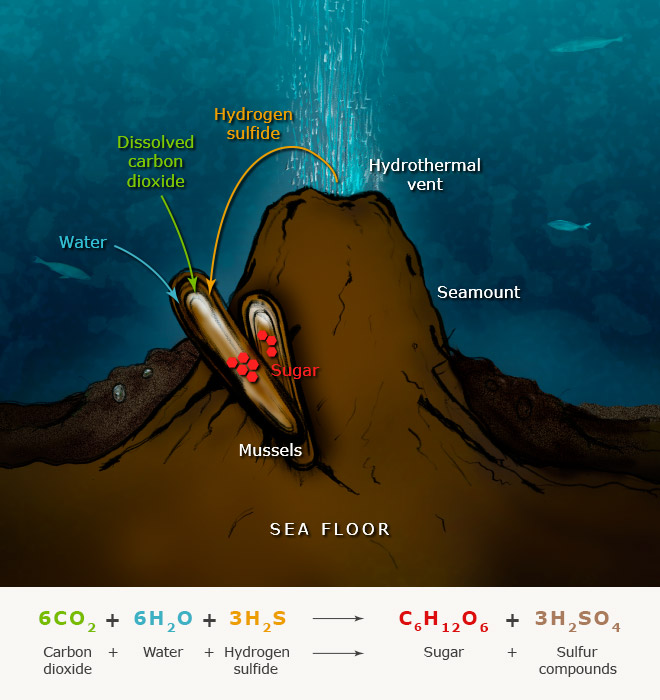 This image shows organisms use chemosynthesis.
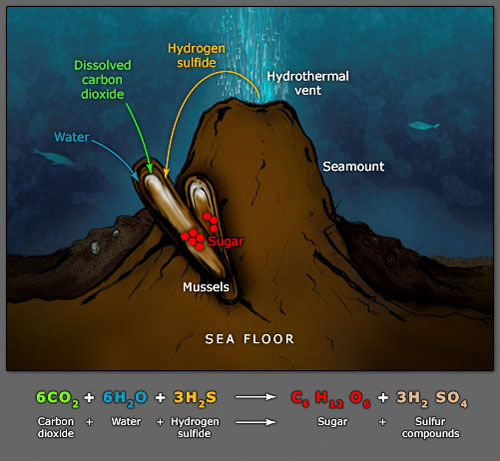 This image demonstrates Chemosynthetic nutrition.
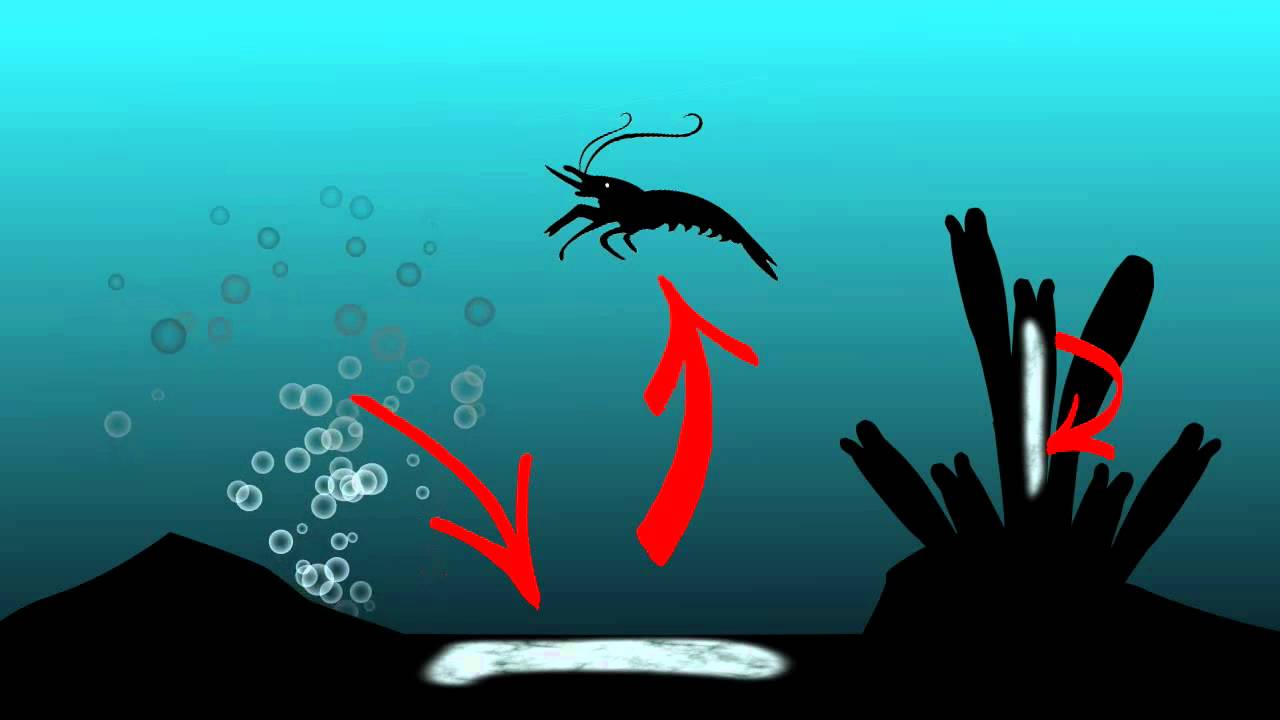 This image demonstrates Chemosynthesis facts.
 This image illustrates Chemosynthetic autotrophs examples.
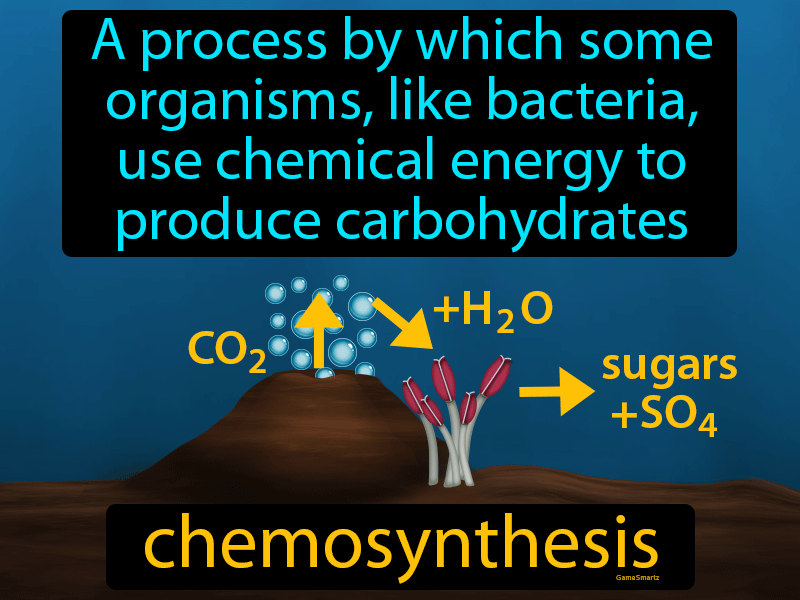 This image representes Chemosynthesis equation.
.PNG "Chemosynthetic bacteria") This image shows Chemosynthetic bacteria.
This image shows Chemosynthetic bacteria.
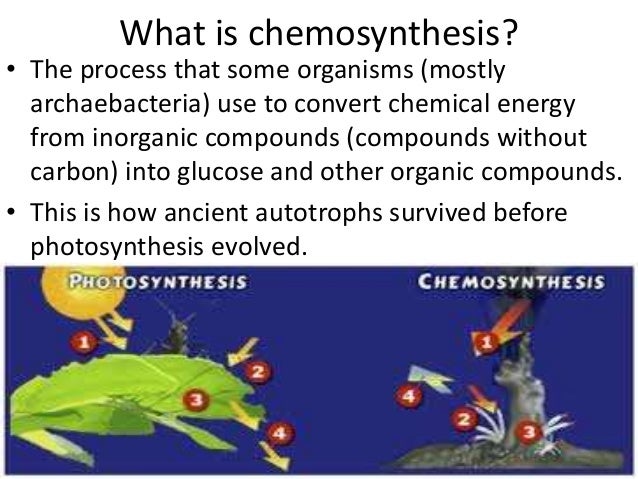 This picture representes Chemosynthesis example.
 This picture shows Where does chemosynthesis occur.